Facial thirds: the oldest rule in face proportion
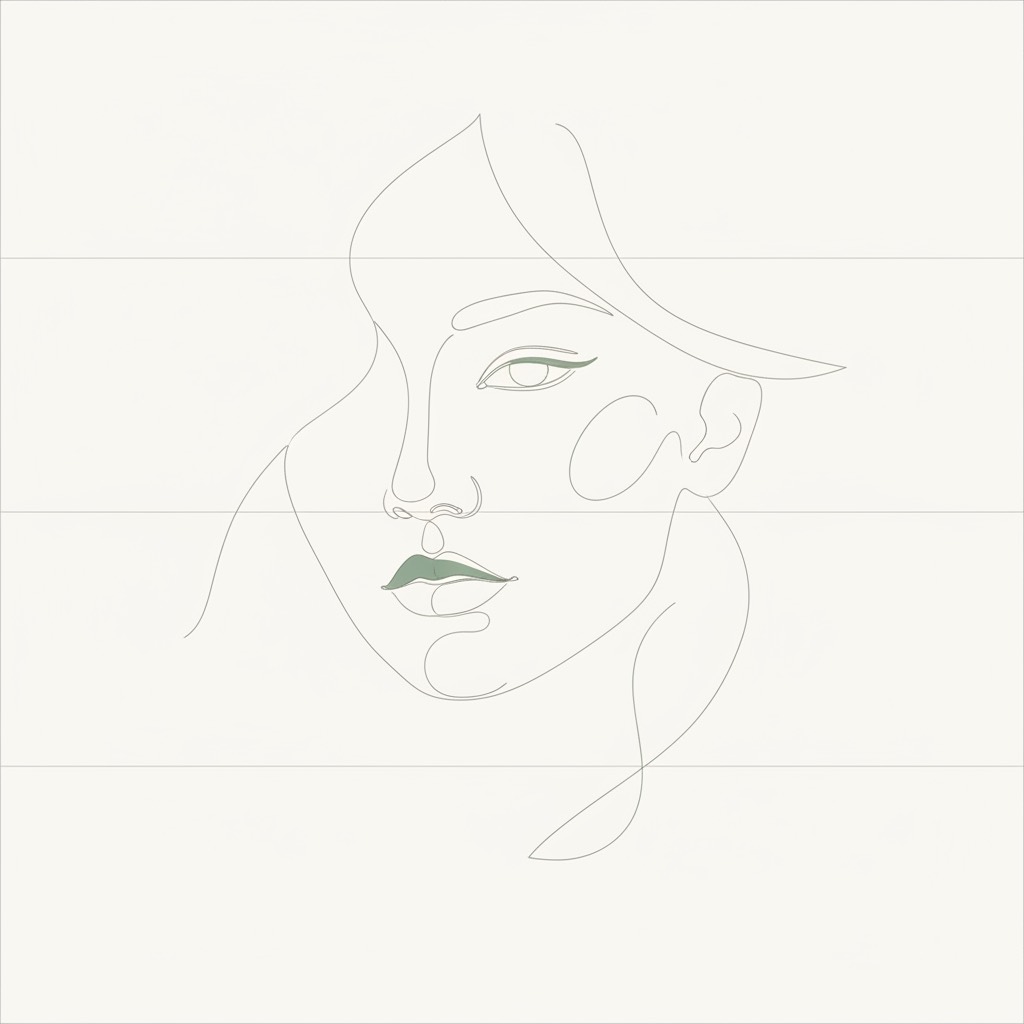
Draw two faint horizontal lines — one across the brow, one across the base of the nose — and you have split a face into thirds: hairline to brow, brow to nose-base, nose-base to chin. Renaissance drawing masters taught these three sections as roughly equal, and the idea has outlived almost every other proportion rule because it is easy to see and easy to draw.
Equal does not mean identical
A "balanced" set of thirds means the three sections are close to the same height, not that anyone has a ruler-perfect face. A tall forehead lengthens the top third; a long chin or a short philtrum shifts the bottom one. Small differences are invisible to everyone but you. Big ones are what register: a very long lower third reads as more mature, a short one as more youthful or childlike.
What our measurements actually show
When Leslie Farkas measured thousands of real faces in the 20th century, he found they routinely break the equal-thirds canon — so we treat it as a guideline, not a law. In the faces we scored against human ratings, more even thirds did track with slightly higher ratings, which is why the metric earns its place. But the effect is modest, and it is the single proportion most distorted by a bad measurement, for one specific reason.
The hairline problem
No face model can reliably find a hairline — receding hairlines, fringes and widow's peaks defeat it — so the top third is always an estimate until you correct it. That is why our tool drops a draggable hairline line on your photo before scoring: nudging it a centimetre changes your thirds reading more than almost any other adjustment. If your thirds look off, check the hairline first.
How to read your own thirds
Look at which section is the outlier rather than the raw number. A long midface and a short lower third tell different stories and suggest different things to a clinician. And remember the camera lies: shooting from below lengthens the lower third, from above shortens it. A level, eye-height photo is the only fair way to measure thirds at all.