How to actually get a defined jawline (and what's oversold)
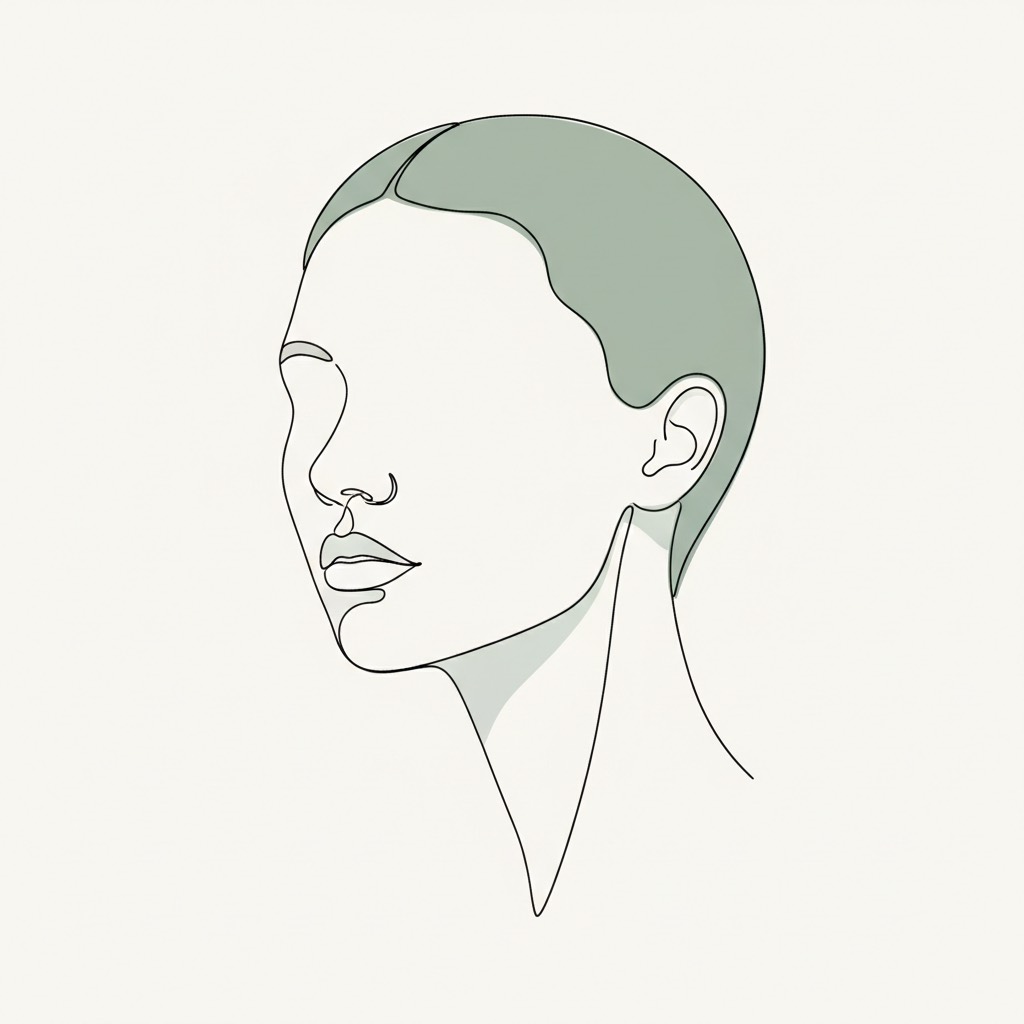
A defined jawline is one of the most common appearance goals and one of the most misunderstood. Part of it you can change; a large part you cannot. Knowing which is which saves you from pouring effort into things that were never going to work.
A jawline is bone plus what sits on it
Definition comes down to two things: the underlying structure — the gonial angle and how far the jaw and chin project — and the soft tissue covering it. The gonial angle is the bend of the jaw up toward the ear; a sharper angle reads as more defined, and it is measured from the side, not the front. You cannot judge your own jaw structure from a front-on selfie.
What genuinely moves it
Body composition is the biggest lever most people have. Lower body fat reveals whatever bone is there, which is why jawlines "appear" when people lean out — the structure did not change, the covering did. Posture is the fast, free one: tucking the chin slightly and lengthening the neck (instead of letting the head jut forward) sharpens the jaw immediately, especially in photos. Reduced facial puffiness from better sleep, less alcohol and less salt helps at the margins. Age and bloating both work against you.
What is mostly hype
Jawline "exercises", chewing gum and jaw-trainer gadgets mostly work the masseter — the chewing muscle. They will not reshape bone, and an over-built masseter can actually widen the lower face, which is the opposite of what most people want. Mewing claims sit in the same evidence-light bucket. If a sharper jaw genuinely matters to you for structural reasons, the honest place to ask is an orthodontist or facial surgeon, not a comment section.
The realistic plan, then: get lean, fix your posture and head position, sleep, and shoot yourself at eye level rather than from below. Measure your gonial angle from a profile photo first so you know your real starting point — then judge change against that, not against a thumbnail.